Search for a life coach and the titles multiply quickly. Career coach, transition coach, relationship coach, health coach, creative coach, executive coach, accountability coach. Each one has a website explaining why their niche is the one you need, and it is hard to tell from the outside whether these are genuinely different services or the same service with different photographs.
The honest answer is a bit of both. Underneath the labels, good coaching runs on one method: get clear on the goal, find what is in the way, break it into steps and come back to it regularly. What changes between types is the subject matter the coach knows well and the kind of goal they are used to. That difference can matter a great deal, or hardly at all, depending on what you are trying to do.
This page covers the main types of life coaching, what each one works on and where it stops, how to choose by the goal you actually have, and when a generalist is the better bet than a specialist.
Every type of coaching runs on the same method
The specialty changes what the conversations are about. It does not change how good coaching works.
Whatever the label, a coaching engagement usually does four things:
- Clarifies the goal. What exactly you want, by when, and how you would know it had happened.
- Names what is in the way. Time, a decision you have not made, a belief about yourself, or simply the absence of anyone asking.
- Turns it into steps. A small number of milestones and a first action you can take this week.
- Follows up. Regular sessions and, ideally, some contact between them, so the plan meets real weeks.
What a life coach actually does walks through a session in detail. Keep that structure in mind while reading the types below, because it is the best test of any coach whatever their niche: a specialty without the method is just conversation about a topic.
The main types of life coaching
Eight common specialties, what each focuses on and where its edge is.
- Career coaching. Works on direction, a career change, a promotion or a stalled job search. Useful when you need someone who understands how hiring and career moves actually work. It stops short of finding you a job, and is career coaching worth it covers which career problems it fits.
- Life transition coaching. Works on periods of change: a move, a new role, children leaving home, a return to work. The focus is on deciding what the next chapter is for and building a routine around it. It suits people who have a change happening to them and want to shape it rather than drift through it.
- Relationship coaching. Works on goals about the relationships in your life: building a social circle, improving communication habits, making time for the people who matter. It is about skills and routines. Where there is conflict, distress or a pattern you cannot shift, a licensed professional is the right person, and this is where that line sits.
- Health and wellness coaching. Works on behavior goals such as a regular exercise routine, better sleep habits or cooking more at home. It is about building and keeping the habit. Anything involving a medical condition belongs with your doctor, and a good health coach says so.
- Creative coaching. Works on getting creative projects started and finished: the novel, the album, the portfolio. The obstacles are usually perfectionism and irregular practice rather than talent, which is where coaching structure helps.
- Financial coaching. Works on money habits: budgeting, saving routines, understanding where money goes. It is not investment advice, and a coach who starts recommending specific products has crossed into a different, regulated profession.
- Executive and leadership coaching. Works on performance in a senior role: decisions, managing people, communication. It is usually paid for by an employer and tied to work goals rather than personal ones.
- Accountability coaching. The narrowest type. It focuses almost entirely on follow-through: regular check-ins on commitments you have already made. An accountability coach explains why that narrow job is often the one a stalled goal needs.
Worth knowing: these are specialties, not formats. Any of them can be delivered over video, through a platform, by messaging, in a group or through software, and online life coaching covers how those formats differ.
Choose by the goal you keep putting off
Start with the specific goal that has stalled, then match the type of coaching to what that goal is short of.
The labels are easier to choose between once you name the goal. A few pairings that tend to work:
- A career move you have circled for years: career coaching if you need knowledge of the field, accountability coaching if you know the steps and have not taken them.
- A creative project that never gets past the first chapter: creative coaching, or any coach with a strong follow-up rhythm.
- A fitness habit that keeps lapsing after a month: health and wellness coaching for the routine itself, with your doctor for anything medical.
- A life that has changed around you: transition coaching, to decide what the new phase is for before it decides for you.
- Wanting to see friends more and keep up with family: relationship coaching focused on routines and time, rather than on resolving conflict.
If the goal does not fit neatly, that is a sign the specialty matters less than you think. Personal goal examples grouped by area can help you name it first.
When a specialist helps and when a generalist fits better
A specialist earns their place when the field has knowledge you lack. For most stalled personal goals, structure and follow-up matter more than expertise.
There are two kinds of stuck, and they call for different coaches:
- Short of knowledge. You do not know how the field works, what the realistic path is or what other people in your position typically do. A specialist who knows the terrain, such as a career coach in your target industry, saves you months of finding out the hard way. A mentor who has done it may help too, and coaching vs mentoring covers that choice.
- Short of follow-through. You know roughly what to do and it keeps not happening. Here the specialty barely matters. What matters is a clear goal, small steps and someone or something asking regularly whether the step happened.
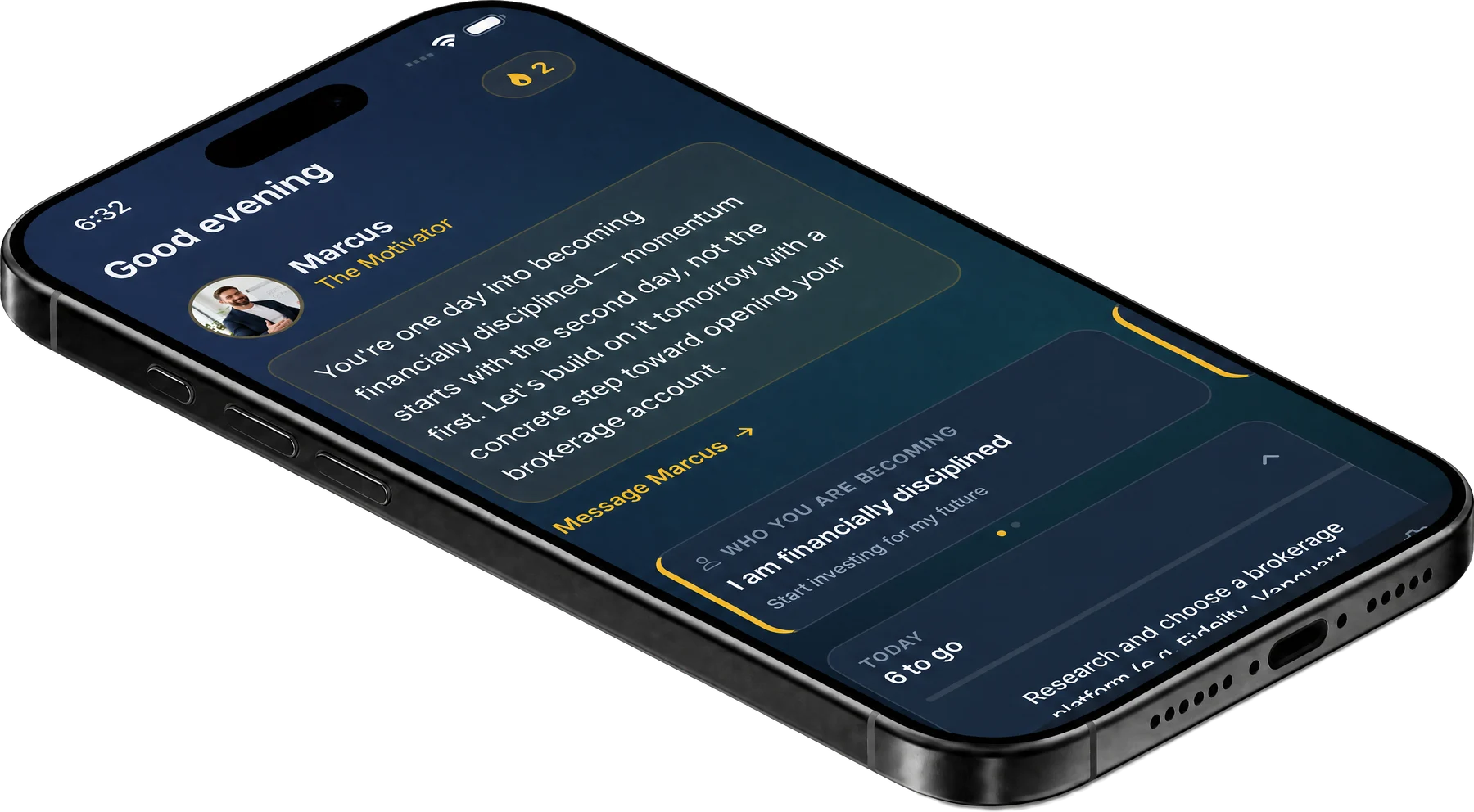
Most long-held personal goals are the second kind, which is why a generalist life coach, or a generalist tool, often fits better than the most specialized option. Disclosure: we build one, so weigh this accordingly. In Odyssey the coach works on whatever goal you bring, breaks it into milestones with you and checks in on a rhythm you set. It is not a specialist in any field and does not claim to be, which is the honest trade-off. Whether an AI coach is worth it sets out the case for and against.
How to check any type of coach
The same questions apply whatever the specialty, and they are the quickest way to tell real expertise from a label.
Before hiring a coach of any type, ask how a session works, what happens between sessions, what the first four weeks would focus on and how you can stop. Ask a specialist one more: what experience they have with the specific kind of goal you are bringing. A good coach answers all of these plainly, and is life coaching a scam covers the warning signs that suggest otherwise, and how to find a life coach covers where to look and how to shortlist. For costs across the market, what a life coach costs sets out the numbers for human coaching.
Types of life coaching, in five lines
- Every type uses the same method: clarify, find the obstacle, plan, follow up
- The main specialties are career, transition, relationship, health, creative, financial, executive and accountability
- Each has a boundary, and good coaches name it before you reach it
- Choose by the goal you keep putting off and what it is short of
- A specialist helps when knowledge is missing; a generalist often fits when follow-through is
Common questions
What are the different types of life coaching?
Common types include career coaching, life transition coaching, relationship coaching, health and wellness coaching, creative coaching, financial coaching, executive and leadership coaching, and accountability coaching. They share the same core method and differ in the kind of goal they focus on and the subject knowledge the coach brings.
Which type of life coach do I need?
Start with the specific goal you want to move. If you lack knowledge of the field involved, such as a career change, a specialist who knows that field helps most. If you know what to do and it keeps not happening, the specialty matters less than a clear structure and regular follow-up, which a generalist coach can provide.
What is the difference between a life coach and a career coach?
A career coach focuses on work: direction, career changes, job searches and promotions, and usually brings knowledge of how hiring and careers work. A life coach works on goals across any area of life, including career. For a work goal that mostly needs follow-through, either can help; for one that needs field knowledge, a career coach is the better fit.
Is health coaching the same as seeing a doctor?
No. Health and wellness coaching works on behavior goals, such as building an exercise routine or better sleep habits, and on keeping them going. It does not cover medical questions. Anything involving a health condition belongs with your doctor, and a good health coach will tell you so.
Can one coach help with several areas of life?
Yes. Generalist life coaches work across areas, and because the method is the same, a good one can help with a career goal one month and a creative project the next. It usually works best to focus on one goal at a time rather than several at once.
The takeaway
The types of life coaching differ in subject, not in method. Pick by the goal you keep putting off: choose a specialist when that goal needs knowledge of a field, and a generalist when what it really needs is structure and someone asking each week. Whatever the label, check the method, the follow-up and the boundary before you pay.
One thing to do today. Write down the goal you most want to move and, under it, whether it is short of knowledge or short of follow-through. Then note which type of coaching from this page matches, and write the four questions you would ask a coach of that type before booking a first session.