The suspicion is understandable. Life coaching is sold through social media ads with sunsets in them, by people whose main qualification is sometimes that they once coached themselves out of a job they disliked. Some of them then sell courses on how to become a coach, which sell courses on how to become a coach. From the outside, the whole thing can look like a loop with money moving round it.
At the same time, coaching has a long and ordinary history. Executives have worked with coaches for decades, athletes for longer, and the methods underneath good coaching are well documented and dull in the best way: clear questions, a plan, and someone who checks whether it happened.
Both pictures are true, and the reason is simple. Coaching is a real service sold in a market with almost no rules. The useful question is not whether life coaching is a scam, but how to tell the honest offer from the weak one and the weak one from the predatory one.
This page covers what life coaching actually is, the three kinds of offer you are likely to meet, the warning signs that separate them, and what to check before paying anyone.
Life coaching is a real service with an unregulated market
Coaching itself is a structured method. The problem is that nothing stops anyone from using the title without it.
At its core, life coaching is a series of conversations about a goal you choose. A coach asks questions to clarify what you want and what is in the way, helps you turn that into a plan with small steps, and returns to it regularly to see what moved. Good coaches lean on established frameworks rather than personal charisma, and what a life coach actually does walks through a session in detail.
What makes the market confusing is that life coaching is not a licensed profession. Training programs and certifications exist, some rigorous and some not, but none is required. That has two consequences worth holding in mind:
- The title tells you nothing on its own. An experienced coach with years of practice and someone who started last month can describe themselves in exactly the same words.
- The burden of judging falls on you. There is no licensing board to check and no standard contract to rely on, so the questions you ask before paying matter more than they would with a regulated service.
Neither consequence makes coaching a scam. Plenty of valuable services are unregulated. It does mean that the buyer has to do some of the work a regulator would otherwise do.
The three kinds of offer you are likely to meet
Honest coaching, weak coaching and predatory offers can look alike from the outside. They differ in method, follow-up and what they promise.
It helps to separate them clearly:
- Honest, skilled coaching. A clear method, a defined goal for the work, regular sessions and some form of follow-up between them. The coach is candid about what coaching can and cannot do, and you can stop when it is not working.
- Honest but weak coaching. Well-intentioned and not very good: warm conversations with no structure, no plan at the end and nothing between sessions. This is the most common bad experience and it is not fraud. It is simply poor value, and it is the main reason people conclude coaching does not work.
- Predatory offers. Programs built around a promise rather than a method: a promised outcome, a large up-front fee, pressure to decide on the call, and often a pitch to recoup the cost by becoming a coach yourself. These are the offers people are usually describing when they call coaching a scam.
The distinction matters because the responses are different. Weak coaching is avoided by asking about method and follow-up. Predatory offers are avoided by recognizing a small number of signs that rarely appear on honest ones.
The warning signs are consistent
Predatory coaching offers tend to repeat the same handful of tactics. Any one of them is reason to slow down; several together are reason to walk away.
- A promised result. A coach controls none of your outcomes. An offer that promises a specific result, such as a new job, a relationship or an income figure, is selling the promise rather than the coaching.
- Pressure to pay a large sum up front. Limited-time discounts, "only two places left", or a demand to decide before the call ends. Honest coaches are usually happy to start with a single session or a short engagement.
- Income claims and a pitch to become a coach. If the main selling point is that you can earn the fee back by coaching others, look closely at what you are actually buying. The US Federal Trade Commission publishes consumer guidance on coaching programs that turn out to be scams, and it is worth reading before signing anything in this category.
- No description of method. If a coach cannot explain how a session works or what happens between sessions, there may be no method to explain. A slogan about potential is not a process.
- Claims outside coaching's scope. A coach who offers to resolve problems that call for a licensed health professional is working outside what coaching is. Where that line sits is worth knowing before you start.
- Hard-to-leave terms. No clear cancellation policy, long contracts paid in full in advance, or refunds that depend on conditions you cannot meet.
Worth knowing: the same signs apply to apps and online platforms as to individual coaches. Online life coaching covers four questions to ask before paying for any format, and how to choose an AI life coach has a fuller checklist for software.
What a good coach looks like before you pay
Good coaches are easy to test, because they are comfortable being tested. A short, specific trial tells you most of what you need.
Before committing to anything substantial, look for these:
- They describe a method. They can tell you how a session runs, which frameworks they use and what you leave each session with.
- They agree a goal for the work. By the end of the first conversation you both know what the next four weeks are for, and how to tell whether it is working.
- They start small. A single session or a short engagement is normal, and a coach who insists on a long package before you have worked together is asking you to take all the risk.
- They talk about between-sessions. Some follow-up, a written plan or a check-in, so the work does not depend entirely on an hour every week or two.
- They are candid about limits. They say what coaching will not do, and they do not promise outcomes.
A good first test is to bring one specific goal and one question to the first session and agree a small four-week target at the end. Is career coaching worth it lays out that test in more detail, and it works for any kind of coaching.
Where the price fits in
A high price is not a sign of a scam, and a low one is not a sign of quality. What matters is whether the price matches a defined piece of work.
Coaching prices vary widely, and what a life coach costs sets out the market for human coaching. An experienced coach charging well for a clear engagement is not running a scam. The warning sign is not the number but its shape: a large sum, paid in advance, for something undefined, sold with urgency.
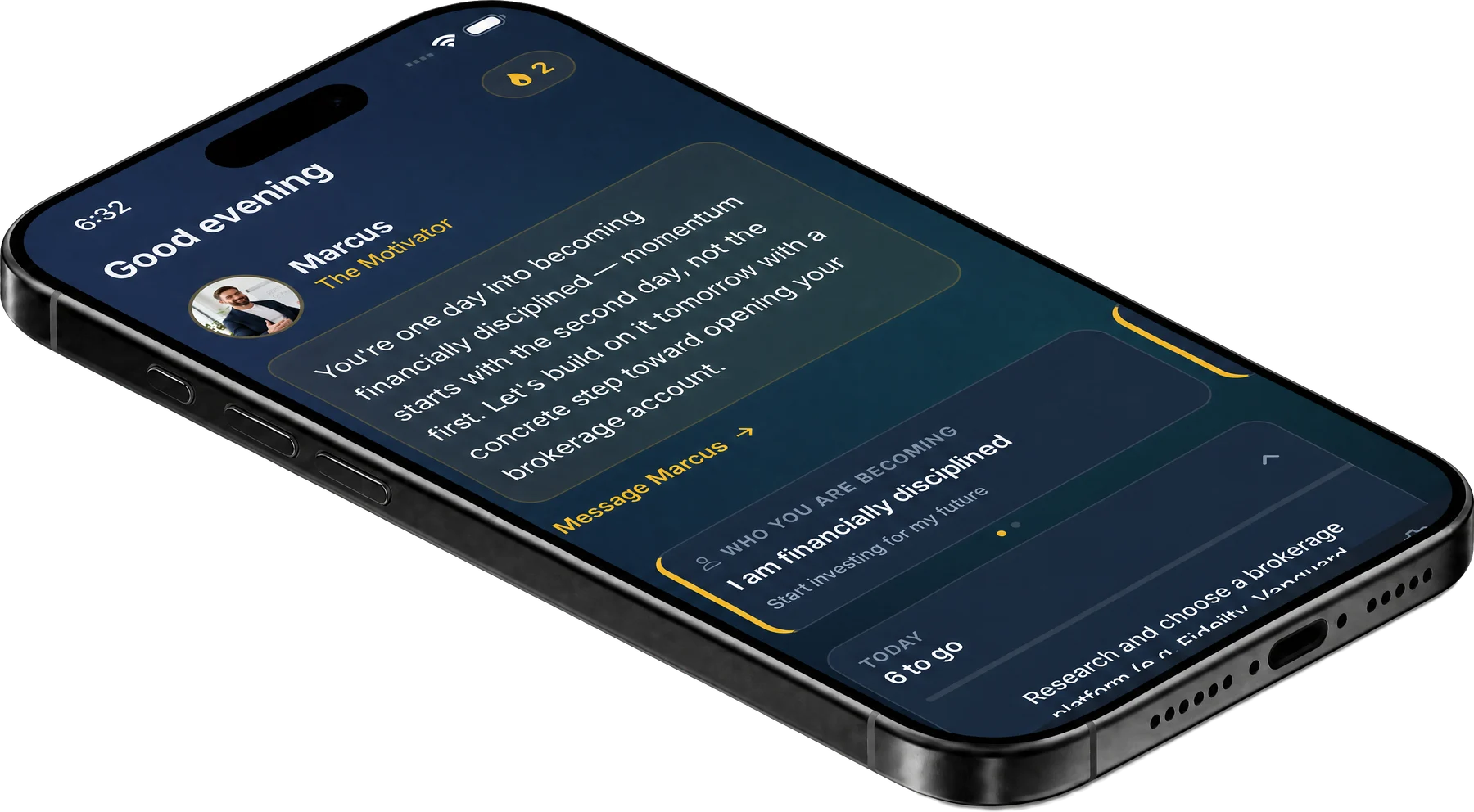
There are also cheaper formats that carry less risk. Group programs cost less per person, and AI coaching costs a fraction of a human session. Disclosure: we build an AI coaching app, so weigh this accordingly. In Odyssey the coach works through your goal with you, breaks it into milestones and checks in on a rhythm you set, and it is not a person, which is a real trade-off. Whether an AI coach is worth it sets out the honest case for and against. Whatever the format, the same warning signs apply.
Is life coaching a scam, in five lines
- Coaching is a real method: clear questions, a plan and regular follow-up
- The title is unregulated, so honest experts and bad actors use the same word
- Most bad experiences are weak coaching rather than fraud
- Promised results, up-front pressure and income pitches mark predatory offers
- Test any coach with a defined goal, a small start and an easy exit
Common questions
Is life coaching legit?
Life coaching is a legitimate service when it is done well: structured conversations about your goals, a plan with small steps and regular follow-up. Because the profession is not licensed, quality varies widely, so it is worth checking a coach's method, follow-up and terms before committing to a long or expensive engagement.
How do I know if a life coach is a scam?
Watch for a promised outcome, pressure to pay a large sum up front, claims that you can earn the fee back by becoming a coach, no clear description of method, and terms that make it hard to leave. One of these is a reason to ask more questions; several together are a reason to walk away.
Why do some people say life coaching does not work?
Often because they had weak coaching: friendly conversations with no structure, no plan and nothing between sessions. Coaching tends to help most when there is a specific goal, a clear method and regular follow-up. Without those, sessions can feel pleasant without anything changing.
Do life coaches need a license?
No. Life coaching is not a licensed profession, so no qualification is legally required to use the title. Certifications from training bodies exist and vary in rigor. Because of this, it is worth asking any coach about their training, method and experience, and judging them by a short trial.
What should I ask a life coach before hiring them?
Ask how a session works, what happens between sessions, what the first few weeks would focus on, what it costs and how you can stop. A good coach answers all of these plainly and is comfortable starting with a single session or a short engagement.
The takeaway
Life coaching is not a scam. It is a real method sold in an unregulated market, which means the title alone tells you very little. Most bad experiences come from weak coaching rather than fraud, and the predatory offers share signs that are easy to spot once you know them. Judge any coach by their method, their follow-up and their terms, and start small.
One thing to do today. If you are considering a coach or a program, write down the five questions from this page: how a session works, what happens between sessions, what the first four weeks are for, what it costs in total and how you can stop. Send them before the first call, and see how plainly they come back.