Ten years ago, life coaching mostly meant a person in a room or on the phone, once a week or every other week. Now most of it happens online, and the phrase covers a much wider range of things: a video call with an independent coach, a platform that matches you with one, a coach you message through the week, a group program, or an app where the coach is software.
Those options are sold under the same words and differ in almost everything that matters: how much of a person you get, how often you hear from anyone, how structured the work is and what it costs. Comparing them as though they were versions of one product is how people end up paying for the wrong thing.
The useful question is not which online coaching is best. It is which format fits the gap your goal actually has.
This page covers the five formats of online life coaching, what each one does well and poorly, how to match a format to your goal, and the questions to ask before paying for any of them.
Online life coaching is five formats, not one
Each format answers a different question about how much person you get and how often you hear from them.
Here is the landscape as it stands, described by format rather than by provider:
- Video sessions with an independent coach. The closest thing to traditional coaching. You book a coach directly, usually for a regular session every week or two, and the work happens in that hour.
- Coaching platforms. A service that vets coaches and matches you with one, then handles scheduling and payment. The sessions themselves look much like the first format; the platform adds choice and some quality control.
- Messaging-based coaching. A human coach you can write to through the week, sometimes alongside shorter scheduled calls. Less depth per exchange, more contact between sessions.
- Group coaching programs. One coach working with several people at once, usually around a shared theme such as a career change or a creative project. Lower cost per person, less time on your specific situation.
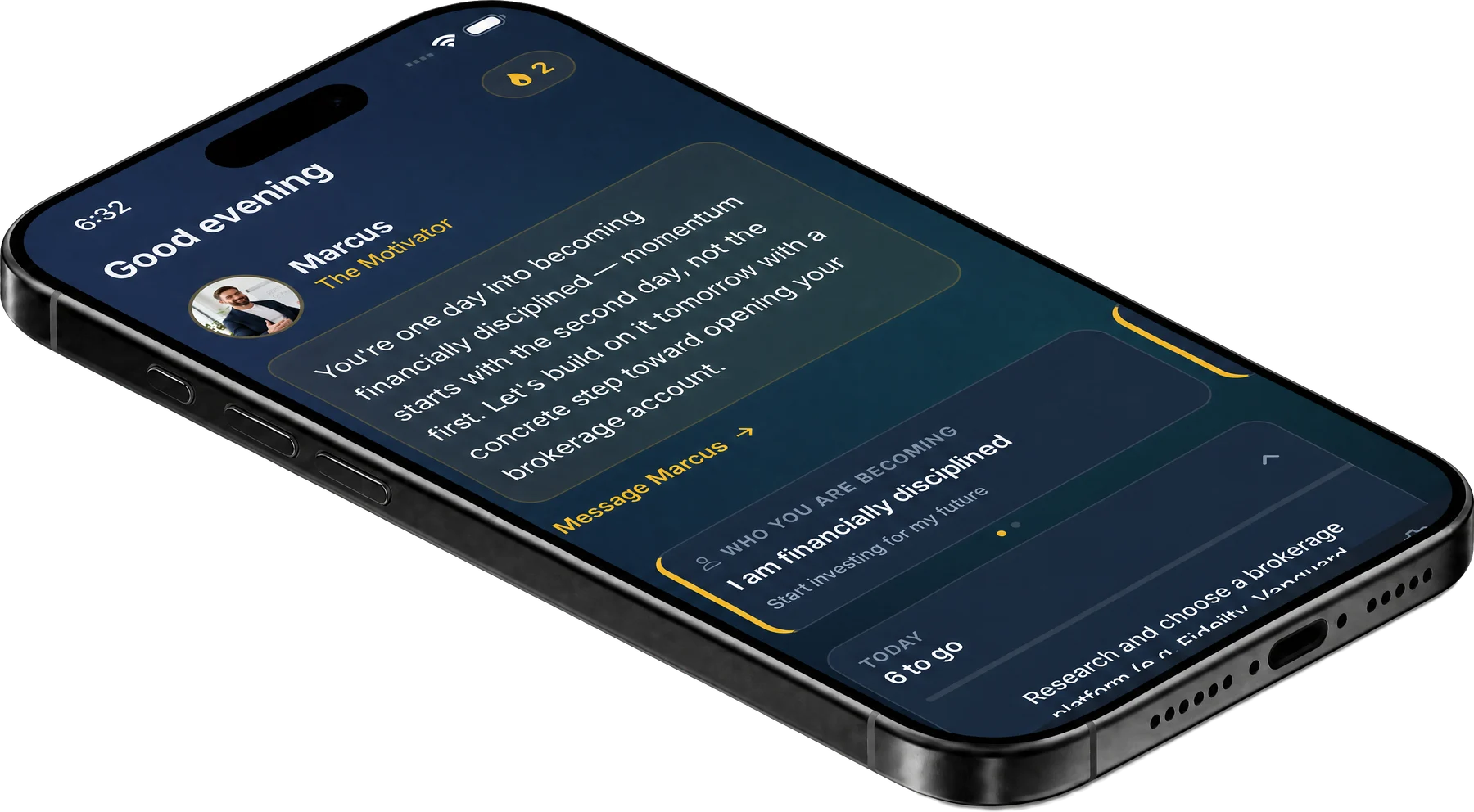
- AI coaching apps. Software that runs coaching conversations, keeps track of your goals and follows up on a schedule. Available at any hour and far cheaper, without the judgment of a person who has met other people like you.
The distinction between an app that finds you a human coach and an app that is the coach is easy to miss, and what a life coach app actually is sorts the software side in more detail. These are formats; the specialties that run across them, from career to creative coaching, are covered in types of life coaching.
The medium matters less than what happens between sessions
A good coach on video is much like a good coach in a room. What changes the experience is how often you hear from anyone in the gaps.
People sometimes worry that online coaching is a lesser version of the real thing. For the session itself, that concern is mostly unfounded. A coaching conversation is questions, listening and a plan at the end, and all of that works over video. What a life coach actually does describes the session, and nothing in it depends on sharing a room.
What does differ, and differs a lot, is the space between sessions. A goal mostly stalls in the days when nobody is asking about it, which is why week three is where so many goals die. The formats vary sharply here:
- Weekly or biweekly sessions leave six or thirteen days between conversations, with whatever you arrange yourself in between.
- Messaging coaching narrows that gap, at the cost of depth in any single exchange.
- AI coaching can check in on a rhythm you set, every day if you want it, though what it brings to those check-ins is structure rather than a person's judgment.
That trade-off between depth and frequency is the single most useful lens for choosing.
Match the format to the gap your goal has
If you need someone to think with, choose a person. If you need regular follow-through on steps you already know, choose the format that reaches you most often.
Most stalled goals are short of one of two things:
- Thinking. You are not sure what you want, the decision is genuinely hard, or the situation involves other people whose behavior you need help reading. A person is worth paying for here, in a one-to-one format, because judgment is the thing being bought.
- Follow-through. You know roughly what to do and it keeps not happening. More insight adds little. What helps is structure and someone or something asking every week whether the step happened. An accountability coach is the narrowest version of this, and messaging or AI formats cover much of the same ground.
Plenty of goals need some of both: a few deep conversations at the start and steady follow-up for months after. A combination is reasonable, such as a handful of sessions with a human coach and a cheaper format for the weeks in between. Disclosure: we build an AI coaching app, so weigh this accordingly. In Odyssey the coach works through the goal with you, breaks it into milestones and checks in on a rhythm you set, which is the follow-through half. Whether an AI coach is worth it sets out where it falls short of a person.
Worth knowing: if you are deciding between a coach and someone who has already done what you are attempting, that is a different choice. Coaching vs mentoring covers it.
Four questions to ask before paying for any format
Whatever the format, the same four questions separate a sound offer from a weak one.
- What is the coaching method? A good coach or service can describe how a session works and which frameworks it draws on, such as the GROW questions. A slogan about potential is not a method.
- What happens between sessions? Ask directly. Is there any contact, any check-in, any written plan you leave with? If the answer is nothing, plan your own follow-up.
- How do you leave? Find out the cancellation terms before the first session, especially for packages paid in advance and subscriptions that renew automatically.
- What is promised? Coaching can offer structure, questions and follow-up. It cannot promise a job, a relationship, a figure or any other outcome, and an offer that does is a sales technique.
For AI apps specifically, two more questions matter: what happens to your conversations and whether you can delete everything. How to choose an AI life coach has a fuller checklist and a two-week way to test one. The same questions double as a scam check, and is life coaching a scam sets out the warning signs in full. Once you know the format, how to find a life coach covers where to look and how to get to a shortlist of three.
What online coaching costs, and where to find the numbers
Cost varies by an order of magnitude across the formats, which is part of why comparing them as one product misleads.
One-to-one sessions with an experienced human coach sit at the top of the range, platforms and messaging coaching usually somewhat below, group programs lower per person, and AI coaching lowest of all. What a life coach costs lays out the market for human coaching in detail, including how pricing varies with experience and engagement length, and does insurance cover life coaching covers who else might pay.
The useful comparison is not the price of a session but the price of the gap it fills. A costly hour that gives you a decision you have been circling for a year is good value. A cheaper format that makes sure the plan actually happens each week can be too. Paying for one when you needed the other is the expensive mistake.
Online life coaching, in five lines
- Online coaching covers five formats: video, platforms, messaging, group and AI
- The session works fine online; the real difference is contact between sessions
- Short of thinking: choose a person. Short of follow-through: choose frequency
- Ask about the method, the gaps, the exit and the promises before paying
- Compare formats by the gap they fill, not by the price of a session
Common questions
What is online life coaching?
Online life coaching is coaching delivered over the internet rather than in person. It includes video sessions with an independent coach, platforms that match you with a coach, messaging-based coaching, group programs and AI coaching apps. The coaching itself, questions, planning and follow-up, works in all of them; they differ in how much human time you get and how often.
Is online life coaching as effective as in-person coaching?
For the sessions themselves, the medium makes little difference: a coaching conversation works over video much as it does in a room. What varies more is the format, in particular how much contact you have between sessions, which is where many goals stall. Choosing a format that matches your goal matters more than whether it is online.
How do I find a good online life coach?
Look for a coach who can describe their method clearly, explains what happens between sessions, offers a single first session or a short engagement, and makes no promises about outcomes. Platforms that vet coaches can narrow the search, and a first session with a specific question is the best test of fit.
What is the difference between online coaching and an AI coach?
Most online coaching is a human coach working with you over video or messages. An AI coach is software that runs coaching conversations and follows up on a schedule. AI coaching is cheaper and available at any hour; a human coach brings judgment and experience of other people's situations that software does not have.
How often should online coaching sessions be?
Weekly or every other week is common for one-to-one coaching. The more useful question is what keeps the goal moving between sessions. If nothing does, consider a format with more frequent contact, or arrange your own weekly check alongside the sessions.
The takeaway
Online life coaching is not one product but five formats sharing a name. The session itself works fine online; the real differences are how much of a person you get and how often you hear from anyone. Work out whether your goal is short of thinking or short of follow-through, choose the format that fills that gap, and ask the four questions before paying for any of them.
One thing to do today. Write your goal in one sentence and, under it, whether the main gap is thinking or follow-through. Then list the formats that fit that gap and write the four questions under the one you are most tempted by, ready for the first conversation.