The question usually comes up at the moment someone looks at a coach's rates. A single session costs about what a nice dinner for two does, a three-month engagement costs a good deal more, and the natural next thought is whether any of it could go through insurance the way a doctor's visit would.
The short answer is almost always no. Health insurance in the US pays for medical care, delivered by licensed health providers, for something a provider has assessed and documented. Life coaching is none of those things, and that is not an oversight in the policy. It is a fairly accurate description of what coaching is for.
The useful answer is longer, because the same people who ask about insurance often have other ways to pay that they have not checked.
This page covers why health plans do not cover coaching, the exceptions worth a phone call, where coaching money more often comes from, and how to lower the cost when nobody else is paying.
Health insurance pays for medical care, and coaching is not medical care
Plans cover care from licensed health providers for an assessed health need. Coaching is not delivered by a licensed health provider and does not start from a health need.
The reasons line up neatly once they are laid side by side:
- Who provides it. Insurers pay licensed health professionals. Life coaching is not a licensed profession in the US. Coaches may hold certificates from training bodies, but a certificate is not a license, and insurers do not treat it as one.
- What it starts from. Covered care usually begins with a provider assessing a health concern and recording it. Coaching begins with a goal: the business you want to start, the career change you keep postponing, the fitness goal that never gets a second month.
- What it is for. Coaching is about decisions, plans and follow-through for people whose lives are working. That is genuinely valuable, and it is not health care.
That last point is worth sitting with, because it explains why the answer is unlikely to change. The thing that makes coaching useful to someone who is stalled rather than struggling is the same thing that keeps it outside a health plan. If coaching started being billed as care, it would stop being coaching.
Worth knowing: if you are not sure which kind of help you need, the line between the two is drawn carefully in life coach or licensed counselor: how to tell which you need. If what is going on is affecting your health, a doctor is the right first call, and that call is the one insurance is built to pay for.
The exceptions worth a phone call
A handful of arrangements can make coaching cheaper or partly paid for. None of them is common enough to assume, and all are worth checking.
Before ruling anything out, three places are worth a short call or an email:
- Your employer's benefits. Some employers include coaching in their benefits package, usually through a provider the company has contracted with. It is often listed under wellbeing, learning or career development rather than health, so it is easy to miss in a benefits portal.
- A professional development budget. If your goal is connected to your work, such as a career move, leadership or a new skill, coaching may be a legitimate use of a training or learning budget. Ask your manager or HR what the budget can be spent on before assuming it cannot be coaching.
- An HSA or FSA. Whether a coaching fee can be paid from a health savings or flexible spending account depends on the rules for your plan and on how the service is classed. This page cannot check that for you. Ask the plan administrator before paying, and keep the answer in writing.
If none of those apply, the realistic assumption is that the cost is yours, and the useful question becomes how to make it smaller.
Where coaching money usually comes from
For most people who hire a coach, the money is their own, set against a goal that has been waiting for years.
It helps to be honest about the comparison people actually make. Nobody weighs a coaching engagement against a medical bill. They weigh it against the cost of another year with the same goal unstarted, which is a cost that does not show up on a statement but is real all the same.
Seen that way, the right question is not whether coaching is covered but which format of it fits your budget and your goal. What a human coach actually charges, and how that varies by type and length of engagement, is covered in detail in how much a life coach costs and what a personal life coach costs over a full engagement. This page stays with the question of who pays.
How to lower the cost when nobody else is paying
The price of coaching depends heavily on its format. Changing the format usually saves more than any reimbursement would.
Four options change the arithmetic, and each has a real trade-off:
- Fewer sessions, more structure between them. A coach every other week, with a clear plan and a weekly check-in you run yourself, can cover much of what a weekly session does. The trade is less outside attention in the weeks between.
- Group coaching. Programs that coach several people together cost less per person. The trade is less time on your specific goal.
- A defined engagement. Agreeing to a set number of sessions around one goal, rather than open-ended coaching, keeps the total predictable and the work focused.
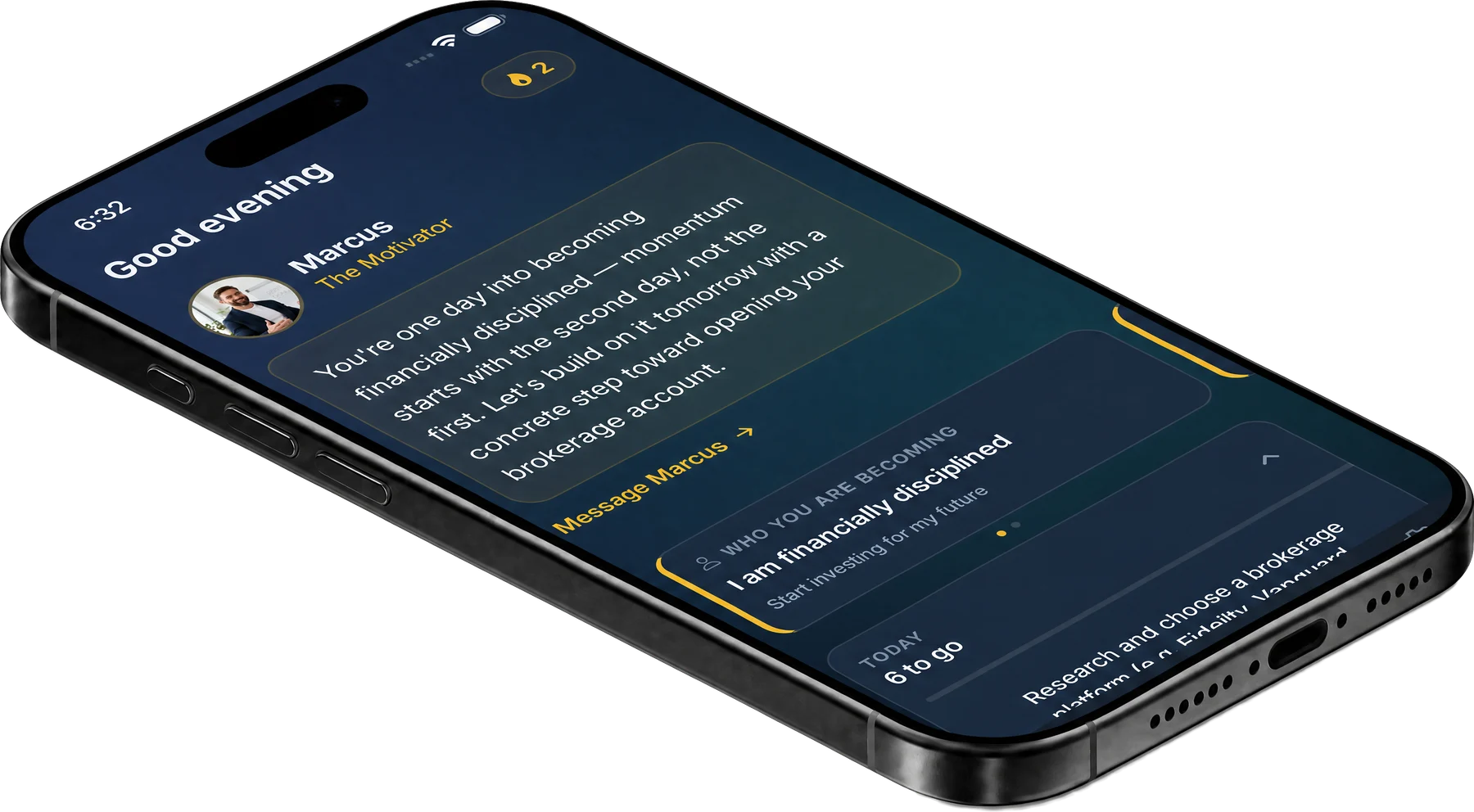
- AI coaching. Apps that run coaching conversations and follow up on a schedule cost a fraction of a human session. The trade is that it is not a person, and it suits structured goal work better than open-ended exploration. Disclosure: we build one, so weigh this accordingly. In Odyssey the coach works through your goal with you, breaks it into milestones and checks in on a rhythm you set. The current plans are on the pricing page, and is an AI life coach worth it covers the honest case for and against.
None of these is a substitute for covered care when care is what is needed. For goal work, they are usually a better route than waiting for a policy that is unlikely to pay.
Insurance and life coaching, in five lines
- Health insurance pays for medical care from licensed providers, and coaching is neither
- That boundary reflects what coaching is for, so it is unlikely to change
- Check employer coaching benefits and development budgets before ruling out help
- Ask the plan administrator before assuming an HSA or FSA will pay
- Change the format of coaching to change the cost
Common questions
Does health insurance cover life coaching?
Almost never. US health plans pay for medical care delivered by licensed health providers, usually for a documented health concern. Life coaching is not a licensed health profession and focuses on goals and decisions rather than health, so it falls outside what plans cover.
Can I use my HSA or FSA to pay for a life coach?
It depends on your plan and on how the service is classed, and the answer is not the same for everyone. Ask your plan administrator before paying for coaching with HSA or FSA funds, and keep their answer in writing. Do not assume a coaching fee qualifies.
Will my employer pay for a life coach?
Some employers do, either through a coaching benefit offered by a contracted provider or by allowing coaching to come out of a professional development budget. Check your benefits portal under wellbeing, learning and career development, and ask HR or your manager if it is not listed.
Why do some coaches say their services might be reimbursable?
Some coaches also hold separate health licenses and may offer licensed services that are billed differently. Coaching itself is still not a covered health service. If a provider suggests reimbursement, ask exactly which service would be billed, under which license, and confirm with your insurer before relying on it.
What is the cheapest way to get life coaching?
Fewer sessions with more structure between them, group programs, a short engagement focused on one goal, and AI coaching apps all cost less than open weekly sessions with a human coach. Each has a trade-off in how much individual attention you get, so match the format to how much outside structure your goal needs.
The takeaway
Insurance is very unlikely to pay for life coaching, and the reason is the same thing that makes coaching useful: it is about goals, not health. The productive next step is to check the two places money does sometimes appear, your employer's benefits and your plan's rules for HSA or FSA funds, and then choose a coaching format whose cost fits the goal.
One thing to do today. Open your employer's benefits portal and search for "coaching", "learning" and "development". If nothing comes up, send HR a two-line email asking whether coaching can be paid from any benefit or budget. Ten minutes, and you know whether anyone else is paying before you decide what to spend.